
Ride the Rails, Walk the Bloom: Journeys Through Protected Landscapes

Step aboard for Seasonal Wildflower and Wildlife Rail Hikes in Protected Landscapes, where elegant timetables meet blooming meadows and quiet animal paths. We pair effortless train arrivals with thoughtful footfalls, celebrating color, scent, birdsong, and responsible curiosity that safeguards delicate corridors while turning ordinary weekends into journeys filled with learning, connection, and restorative wonder.

Arrive by Train, Step Into Bloom

Trains minimize parking stress, reduce roadside crowding near fragile reserves, and set a contemplative rhythm before the first waymarker appears. Choose lines serving gateways to meadows, fens, and woodlands, then time arrivals with early birdsong to greet petals opening to light while your senses, unhurried by traffic, settle into attentive discovery.

01

Planning with Timetables and Flower Calendars

Blend railway schedules with regional wildflower phenology to arrive during peak bloom without overwhelming a site. Cross-check first trains with sunrise, pack flexible return options, and leave yourself lingering minutes between connections so you can pause for scent, note bee traffic, and sketch colors shifting as clouds move.

02

First Steps from Platform to Trailhead

From the moment your boots touch the platform, adopt a quiet pace that respects nesting corners and verge blossoms. Follow signed rights-of-way, use designated crossings over heritage lines or paths, and allow your breath to slow so platform chatter fades, replaced by crickets, thrush calls, and the soft hum of pollinators.

03

Low-Impact Travel Matters

Shared rail journeys lighten the load on parking-starved gateways and reduce noise that startles shy wildlife. Fewer cars mean fewer verge encroachments and less roadside litter. Your ticket supports transit corridors that, when thoughtfully planned, stitch people to protected spaces without inviting congestion that frays delicate habitat edges.

Spring Unfurls

Watch for carpets of wood anemone, primrose clusters along shaded cuttings, and blackthorn hedges fizzing with blossom. Early migrants flicker above old embankments, while amphibians return to restored borrow pits. Step lightly around damp margins, listen for bubbling songs, and practice brief, respectful pauses that let shy creatures reclaim silence.

Summer Abundance

High summer brings knapweed, orchid speckles, and clouds of meadow browns dancing over former sidings reborn as corridors of life. Warm evenings amplify scent trails; bats trace twilight loops along hedgerows. Carry water, linger in shade, and keep to paths as seed heads ready next year’s promise under drowsy bees.

Autumn Quiet, Winter Bright

Autumn softens greens into copper, revealing late scabious and sloes heavy along old fences, while migrating flocks stitch murmuring patterns over reedbeds. Winter sharpens tracks, exposes lichens on sleeper timbers repurposed as benches, and welcomes low light that teaches careful seeing when color quiets yet detail suddenly intensifies.

Season by Season: What to Watch For

Every carriage window hints at shifting color and behavior if you know what to expect on arrival. Use seasonal cues to guide where you look and how long you linger, allowing patience to reveal subtle transitions as petals unfurl, insects emerge, and animals adjust routes, routines, and voices through the year.

Reading the Landscape Without Disturbing It

Protected landscapes invite us to notice stories written in tracks, leaf textures, and wind shifts without leaving a line of our own. Step where feet belong, linger where observation shelters life, and treat every photograph, note, and memory as a promise to return gentler, wiser, and more attentive next time.

Respectful Wildflower Encounters

Stay on firm ground and resist weaving into blooms for angles that flatten habitat. Kneel on bare patches, not moss cushions; never pick or rearrange. If you must lean, use trekking poles lightly. Trade proximity for perspective, letting patterns, pollinator routes, and light describe the scene more truthfully than footsteps ever could.

Wildlife Etiquette from Dawn to Dusk

Keep voices low, step predictably, and pause before corners where startled animals flee into precious energy deficits. Use binoculars instead of approach, observe nesting buffers, and let resting spots remain undisturbed. Remember: each respectful choice is an invisible donation that returns as fledglings, healthy dens, and unbroken daily routines.

Photographing Without Harm

Compose with restrained movement, avoiding trampling foregrounds or coaxing animals closer with bait or playback. Shoot from paths, employ longer lenses, and embrace natural perches rather than staging. Celebrate imperfect frames that honor distance, telling honest stories where subjects keep agency, habitats remain intact, and memories outlast fleeting likes.

Safety, Gear, and Accessibility on Rail Trails

Comfort and confidence deepen attention. A small, thoughtful kit smooths transitions from carriage to countryside and back again. Weather-aware layers, simple navigation tools, and inclusive planning help mixed-ability groups share flowers, birds, and vistas together, returning with energy to spare and stories everyone helped notice and shape.

The Hare and the Thrush at Milepost Twenty

An early service delivered us alone beneath pearl light. Near an old milepost, a hare lifted like wind-made grass while a song thrush stitched silver notes through bramble. We stood still, boots cooling, learning how stillness reveals patterns timetables mention only indirectly, between columns and careful footnotes.

A Conductor’s Tip that Led to Orchids

Pressed against the window, we admired a sweep of chalk. The conductor leaned over, suggesting we disembark one stop earlier for a quieter entrance. Ten minutes later, pyramidal orchids surprised us beside a permissive path, proof that generous knowledge travels invisibly alongside tickets, schedules, and shared anticipation.

Stormlight Over the Fen and a Fox’s Quiet Gaze

Rain teased, then paused. Reedbeds breathed, and stormlight polished every blade. A fox stood across the drain, curious but calm, our outlines softened by distance and patience. We exchanged glances, both choosing stillness, then parted—each carrying a private weather of gratitude back toward the evening train.

Conservation in Action: How Your Choices Help
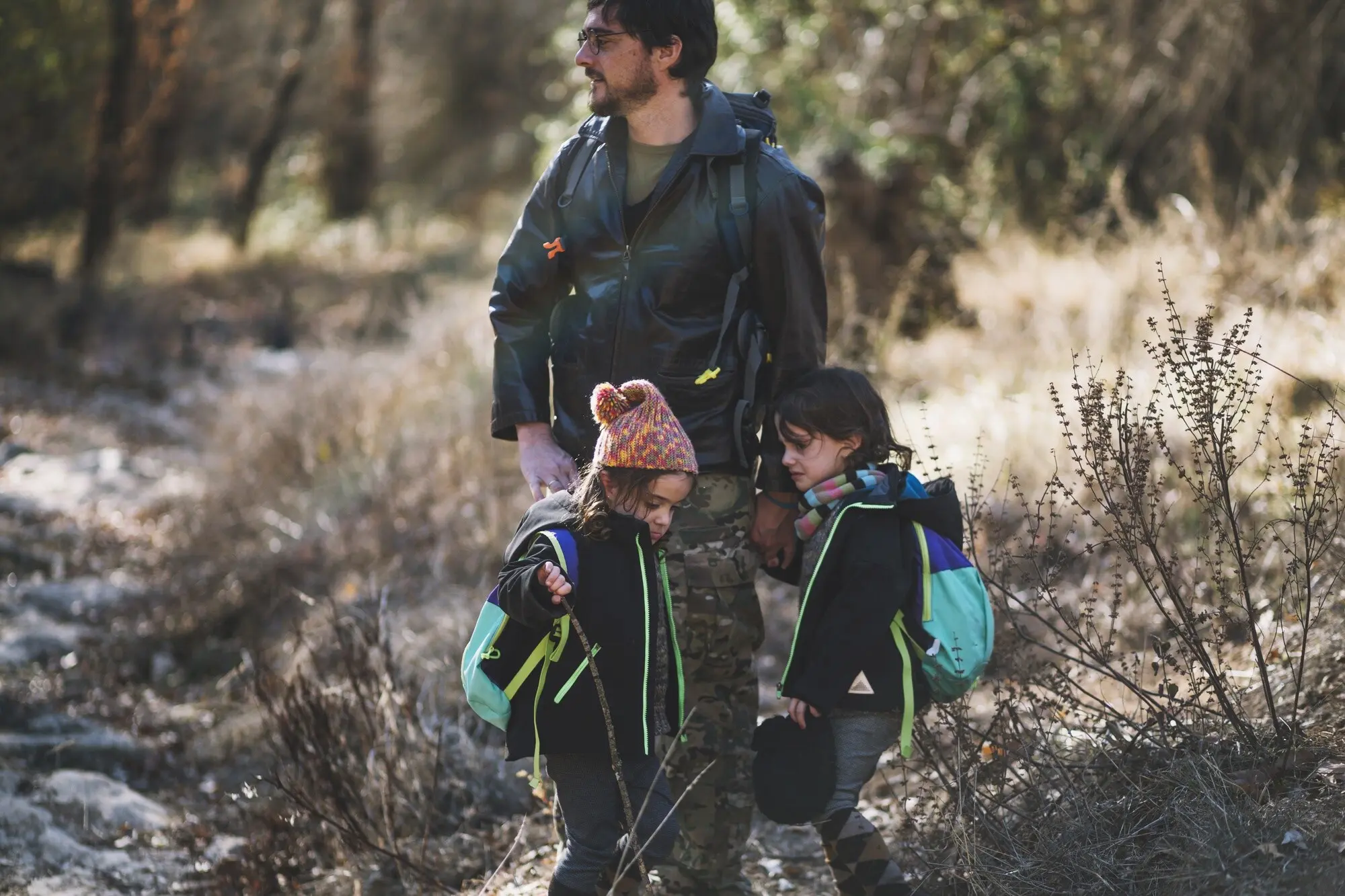
Every journey is a vote for the landscapes you love. Rail-linked walks reduce pressures on fragile gateways, while respectful behavior turns habitats into classrooms that refill themselves. Support community science, seasonal restoration days, and local stewardship groups, then share observations so others arrive prepared to tread lighter and stay longer.