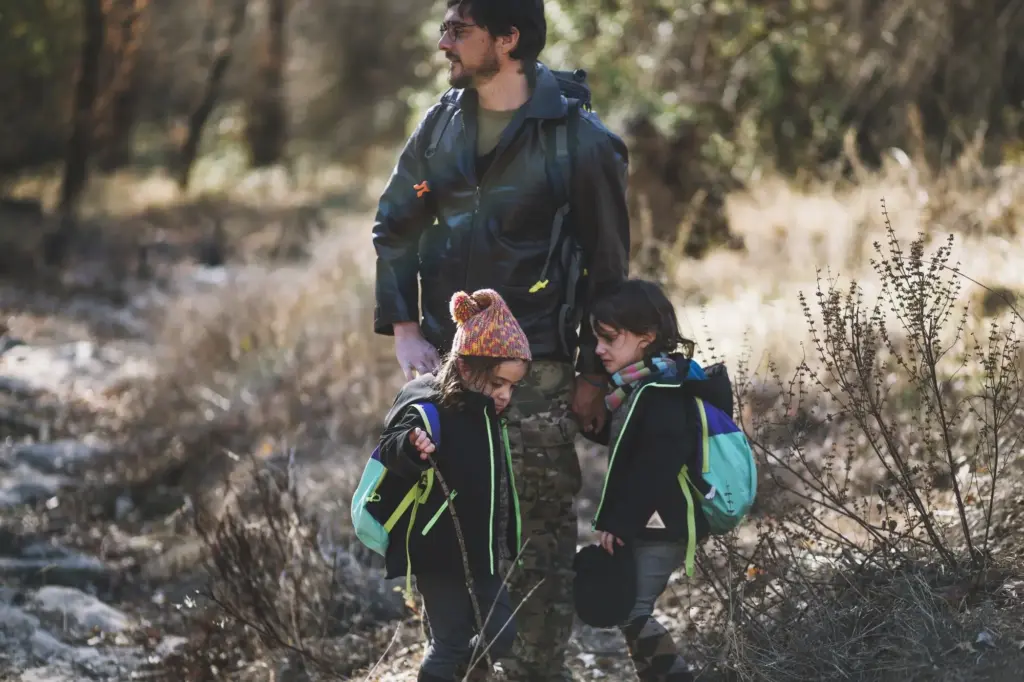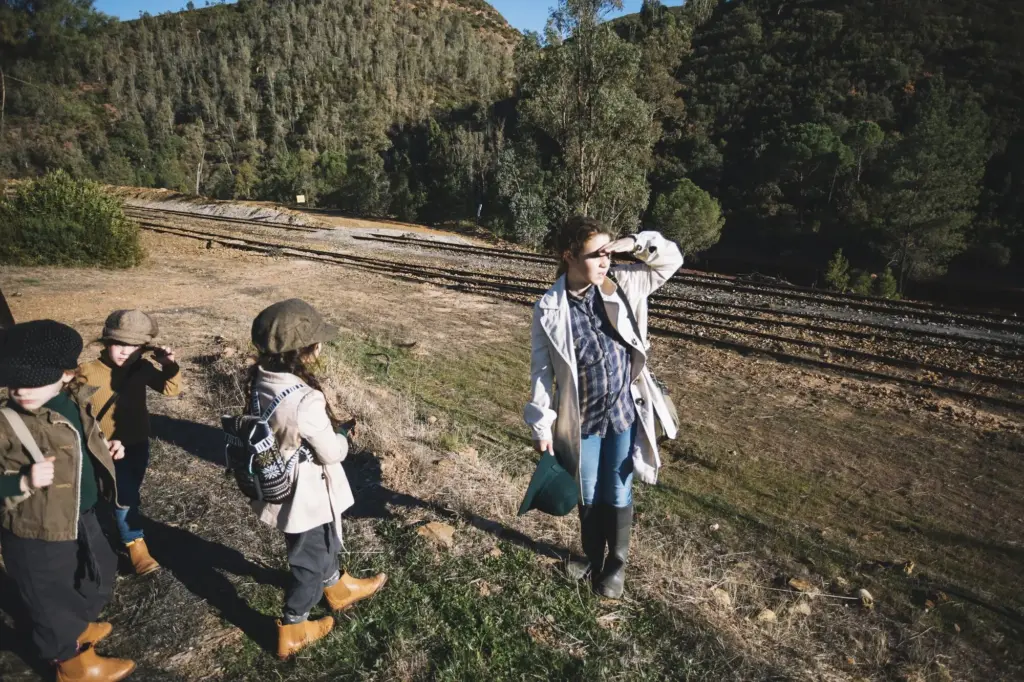
Tracks Reimagined: A Photographer’s Journey Across Britain’s Rail‑to‑Trail Viewpoints

Pack your curiosity, lace your boots, and join a roaming eye for detail as we embark on a Photographer’s Guide to Scenic Rail-to-Trail Viewpoints Across Britain. From limestone cuttings to coastal embankments, we explore light, history, and human stories along gentle gradients, unlocking angles, safety know‑how, route planning, and inspiring compositions that respect each place while capturing its unmistakable spirit.

Planning the Perfect Shoot Across Converted Lines
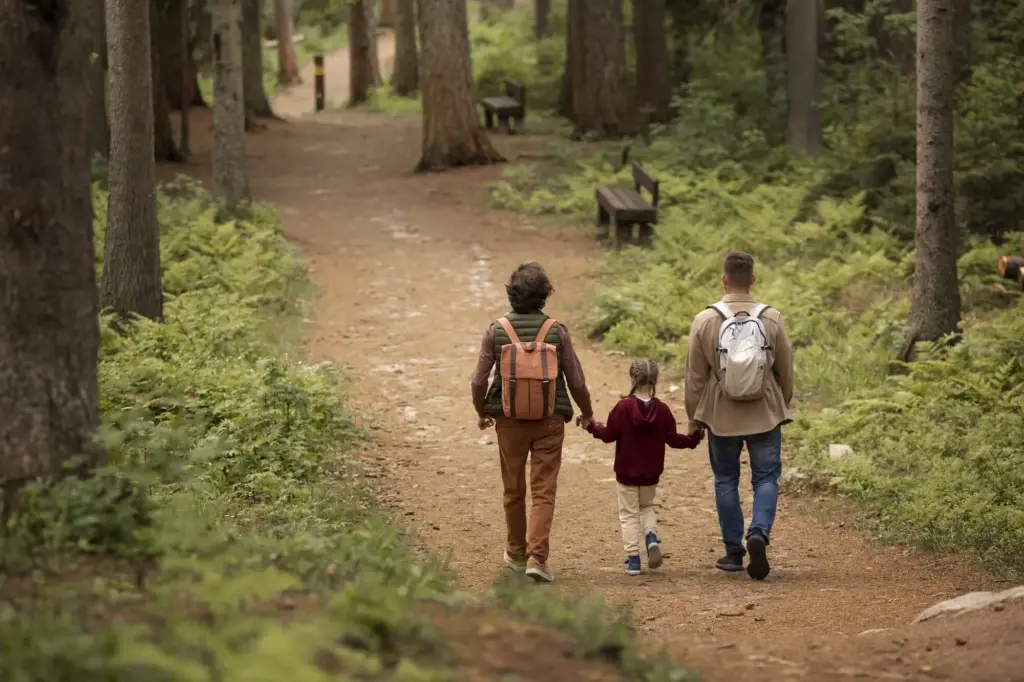
Thoughtful preparation turns a pleasant outing into a gallery‑worthy journey. We’ll pair maps with sunrise tables, check train links to trailheads, and note amenities in repurposed stations. By scouting key bridges, tunnels, and viewpoints before arrival, you conserve energy for creativity, moving confidently between scenes, respecting access, and leaving time for serendipity when the clouds open or a shaft of light briefly gilds an old parapet with cinematic glow.

Mapping Efficient Routes with Sustrans and Heritage Clues

Start by cross‑referencing Sustrans route maps, local council pages, and heritage society notes to identify former stations, sidings, and viaducts that naturally frame images. Mark water stops and café conversions in old waiting rooms. Save offline map tiles, download GPX files, and color‑code sunrise versus sunset vantage points so your day flows with purpose even when signal drops or unexpected diversions nudge you off plan.

Timing Light, Trains, and Connections Without Stress

Golden hour rewards patience on open embankments, while soft overcast flatters mossy cuttings and shadowy tunnels. Check hourly forecasts, wind direction, and cloud ceilings, then align with rail arrivals to minimize transfers and maximize walking time. If cycling, build in margins for photo stops and headwinds. A flexible timeline turns weather from obstacle into collaborator, letting fleeting breaks in cloud define texture, depth, and satisfying contrast.

Access, Safety, and Courtesy for Smooth Shooting

Converted corridors feel inviting, yet care is essential. Stay on marked paths, obey closures, and never trespass near live lines. Use high‑visibility accents at dusk, mount a bell for shared sections, and avoid blocking narrow bridges with tripods. Smile at passersby, share space with families and cyclists, and thank volunteers. Good etiquette earns goodwill, candid portraits, and local tips about hidden viewpoints preserved by community efforts.

Iconic Viewpoints You Can Reach on Foot or Wheels
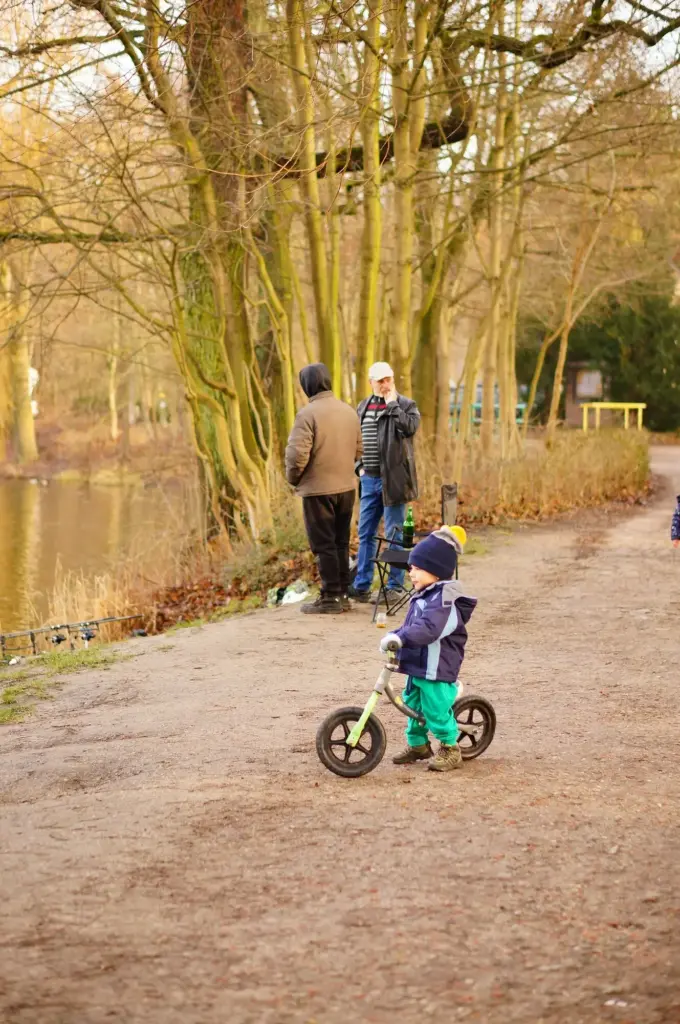
Peak District Drama Along the Monsal Trail

Where towering arches meet echoing tunnels, the Monsal Trail rewards patient framing. Early or late light kisses limestone edges, while gentle mist simplifies chaotic woodland. Compose from safe, set‑back viewpoints, using parapets for stability and figures for scale. If crowds gather, step aside and work layered details—rusty rivets, weathered stone, and wildflowers—to build a sequence that balances grand perspective with intimate textures shaped by wind and time.

Western Glow on Cornwall’s Camel Trail

Following the Camel Estuary, this gentle path pairs estuarine reflections with big skies and avian silhouettes. Time a rising tide for mirror‑like surfaces, and bring a polarizer to finesse glare. Low sun warms timber sleepers and old mileposts, while sea haze softens distant headlands. Pause near converted warehouses and quayside rails, crafting narratives that move from history to habitat, inviting viewers to linger between salt air and quiet craftsmanship.

Urban Textures on the Bristol and Bath Railway Path

Industrial remnants mingle with murals, cyclists, and café stops, creating dynamic scenes filled with motion and color. Work panning shots to celebrate movement, then switch to architectural studies under bridges with repeating patterns. Overcast light enhances painted walls, while evening windows glow warmly behind silhouettes. A short detour to the Two Tunnels Greenway adds atmospheric depth, where long exposures and careful etiquette turn footfall into silky threads of lived city rhythm.

Composition Secrets: Lines, Tunnels, and Viaducts
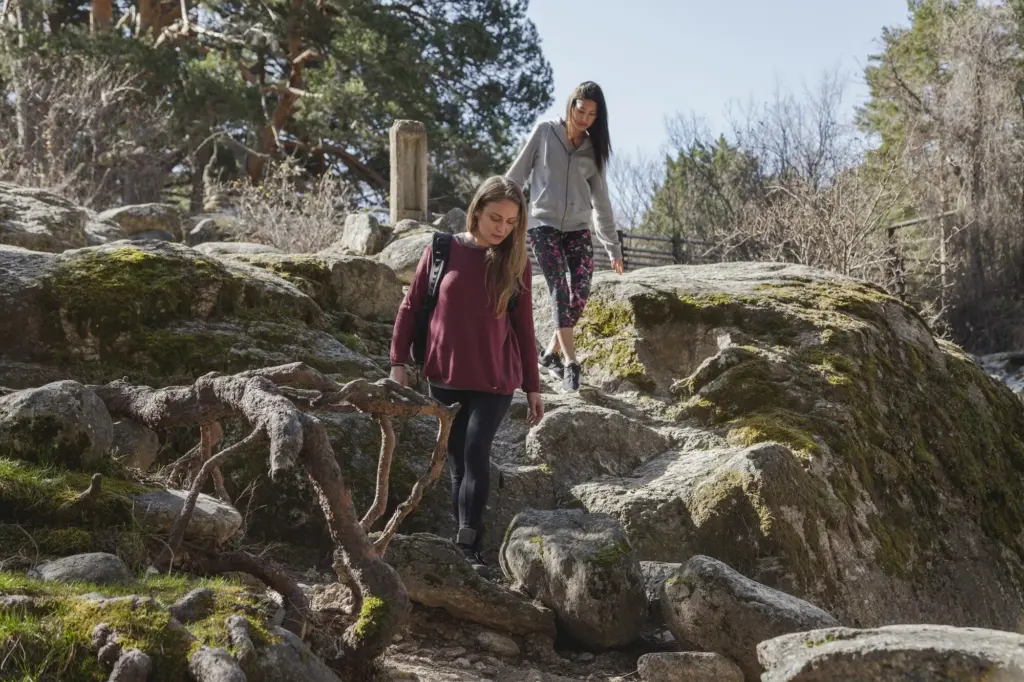
Rail‑to‑trail corridors hand photographers compositional gifts: vanishing points, rhythmic sleepers, arches, and gentle curves. Yet the strongest images combine order with surprise. We explore balancing heavy masonry against open sky, guiding the eye with textures, and inviting human presence to anchor scale. Thoughtful positioning, foreground interest, and permissioned portraits transform familiar viewpoints into distinctive stories that feel grounded, respectful, and quietly revelatory beyond the postcard angle everyone already knows.

Agile Gear That Travels Light and Works Hard
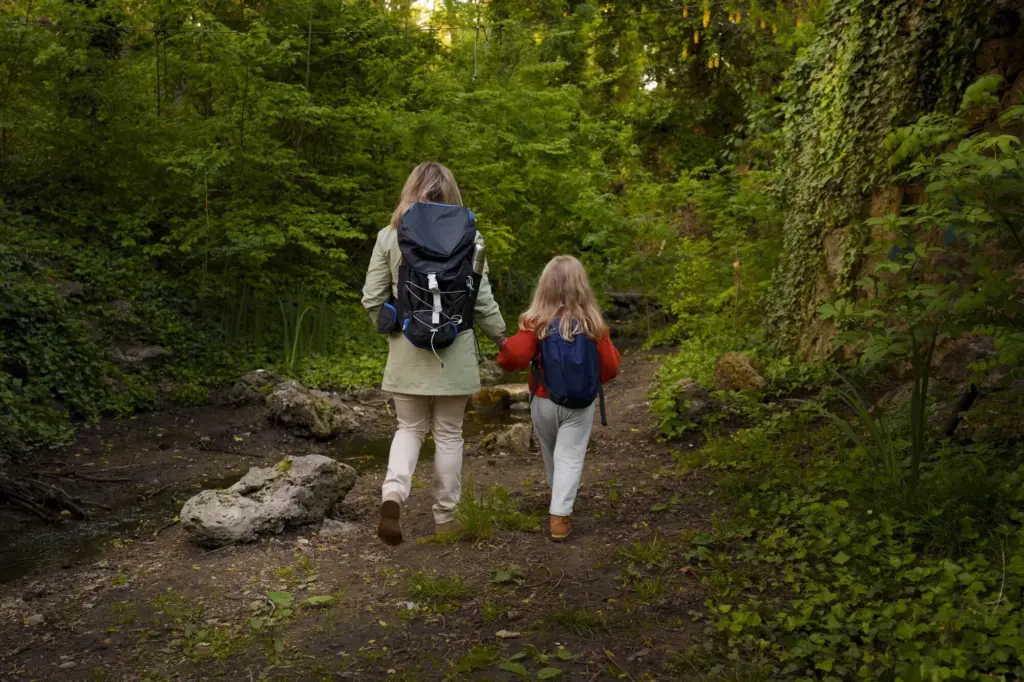
Comfort equals creativity on long days. Favor a compact body, two versatile lenses, and filters that solve common trail problems. Add a foldable tripod, weather cover, and layered clothing. Carry water, snacks, and a power bank, stowing essentials in a supportive pack or panniers. With a lean, resilient kit, you move freely between viewpoints, embrace surprise weather, and keep energy for the decisive moments that truly matter.

Smart Lens Choices for Versatile Coverage
A moderate wide zoom captures tunnels and tight clearings, while a short tele isolates viaduct details and distant estuary patterns. Fast primes shine at dusk, rendering backgrounds with gentle falloff. Stabilization helps on breezy parapets; lens hoods fight flare near low sun. Choose weather‑resistant glass when possible, and bring a microfiber cloth—Britain’s mist and drizzle love polishing front elements right when the light turns irresistible.

Filters, Shades, and Small Tools with Big Impact
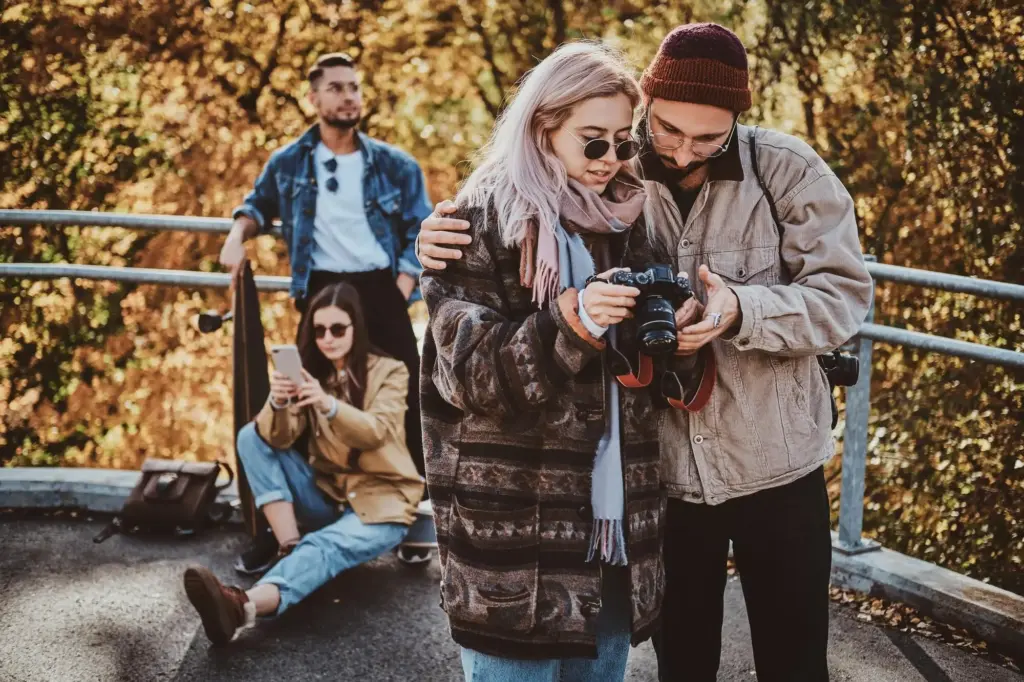
A circular polarizer controls reflections on wet rails, puddles, and estuarine shallows, enriching foliage without cartoonish saturation. A three‑stop ND smooths passing walkers into elegant traces. Pack spare batteries, gaffer tape, and a compact rain sleeve. A collapsible reflector doubles as windbreak for macro details like lichens and rivets. Tiny tools unlock agility, letting you respond gracefully when conditions pivot from sunburst to soft shower within minutes.

Spring Bloom and Kind Light in Sheltered Cuttings

Delicate greens and carpets of flowers soften hard engineering, inviting slower shutter speeds and contemplative frames. Arrive early to catch dew and birdsong. Backlight translucency through leaves to create luminous veils around arches. Overcast days become allies for faithful color. Keep boots tidy to avoid muddy splashes near foreground blossoms, and pause between gusts so petals hold detail, honoring seasonal tenderness without sacrificing the underlying story of transformation.

Summer Haze, Livelier Paths, and Motion Studies

Warm months bring cyclists, families, and longer shooting windows. Use panning to celebrate movement, then recover mid‑day contrast with a polarizer and negative fill from nearby hedges. Search shaded bridges for even light on portraits with permission. Hydrate often, and scout alternative vantages if a famous viewpoint crowds. Late blue hour can be magical after heat drains, revealing saturated skies and silhouettes balanced against patient stone, timber, and lingering laughter.

Autumn Fire and Winter Quiet on High Arches

Flaming canopies and frosty mornings clarify structure, making viaduct piers and parapets read with graphic certainty. Use gloves that preserve dexterity, and meter carefully for bright frost. In low sun, side‑lit texture sings; in fog, simplify outlines into poetic shapes. Watch for ice on shaded boards, and move slowly with trekking poles. Monochrome interpretations thrive now, honoring geometry and time while breath curls gently into the still, grateful air.

Ethics, Access, and Community Storytelling
These paths exist because communities cared. Photograph with humility: acknowledge volunteers, café owners in restored stations, and accessibility champions who widened routes. Seek consent for portraits, share images back with credit, and donate when possible. Stay on marked ways, protect wildlife, and avoid geotagging fragile spots. Thoughtful practice earns trust, opens doors to oral histories, and turns your portfolio into a respectful collaboration between place, people, and persistent light.

Respecting Rights of Way and Fragile Heritage
Many corridors balance recreation with conservation. Follow signage, honor seasonal restrictions, and keep drones within legal limits, far from people and livestock. Never climb fences or parapets. If a structure looks delicate, step back, choose a longer lens, and let patina speak for itself. Responsible choices protect futures shoots, safeguard others, and signal that artistry and stewardship can share the same path without compromise or shortcuts.

People Pictures with Permission and Warmth

The life of the trail is its people. When a moment stirs you, ask courteously, explain your project, and offer to share the photograph. Keep reflective vests and faces in flattering light, honoring dignity rather than spectacle. Small conversations reveal local lore—where elder trees bloom, when swans nest, how an old siding became a community garden—adding narrative threads that lift images beyond scenery into lived, affectionate memory.